
Nutritional Gaps in the Indian Diet — And How to Fill Them
Walk into any Indian kitchen and you'll find abundance: five kinds of dal, a dozen spices, seasonal vegetables, rice, roti, pickles, and chutneys. Yet beneath this apparent abundance lies a paradox public health experts have been flagging for decades — India is overfed in calories but underfed in nutrients.
HEALTH & WELLNESS
Harnek Singh
7/23/20266 min read

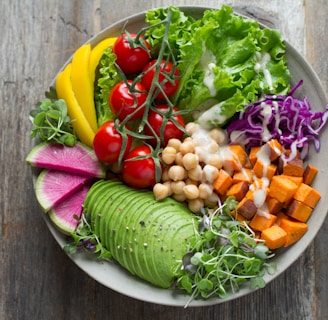
Why a country of thalis, dals, and endless food diversity still struggles with hidden hunger — and what you can actually do about it.
Walk into any Indian kitchen and you'll find abundance: five kinds of dal, a dozen spices, seasonal vegetables, rice, roti, pickles, and chutneys. Yet beneath this apparent abundance lies a paradox public health experts have been flagging for decades — India is overfed in calories but underfed in nutrients.
This is often called "hidden hunger." You may never feel hungry, and your BMI might even look normal, yet your body could still be running low on the iron, protein, vitamin B12, vitamin D, and calcium it needs to function well. Left unaddressed, these gaps show up as fatigue, poor immunity, hair fall, brittle bones, and slow recovery from illness.
In this article, we'll unpack the most common nutritional gaps in the Indian diet, why they exist, and practical, food-first (and where necessary, supplement-supported) ways to close them.
Why the Indian Diet Falls Short on Nutrients
The Indian plate has always been cereal-heavy — rice or wheat forming the bulk of daily calories, with vegetables, pulses, and dairy playing supporting roles. According to the revised ICMR-National Institute of Nutrition (NIN) Dietary Guidelines for Indians (2024), a large share of Indian households rely on cereals for the majority of their daily protein intake, even when they consume less protein overall than what is recommended. This cereal-centric pattern, combined with limited intake of pulses, dairy, eggs, and animal-source foods, is the root cause of most micronutrient shortfalls.
Add to this: widespread vegetarianism, over-milling and polishing of grains (which strips away fibre and micronutrients), poor soil and food fortification gaps, low sun exposure in urban lifestyles, and rising consumption of ultra-processed snacks — and you get a diet that fills the stomach without fully nourishing the body.
Here are the gaps that matter most.
1. Iron — India's Most Widespread Deficiency
Iron deficiency anaemia remains one of India's most persistent public health challenges. National Family Health Survey (NFHS-5) data shows anaemia affects a majority of Indian women of reproductive age and roughly two out of three children under five — figures that have not improved much over the last decade despite national fortification and supplementation programs.
Why it happens: Plant-based iron (non-heme iron, found in dals, leafy greens, and grains) is far less bioavailable than the iron in meat, poultry, and fish. Tea and coffee consumed with or right after meals further block iron absorption.
How to fill the gap:
Pair iron-rich foods (spinach, moong, rajma, jaggery, ragi) with vitamin C sources (lemon, amla, tomato) to boost absorption significantly.
Avoid tea or coffee within an hour of meals.
Cook in cast-iron kadhais — a small but genuinely effective habit.
If fatigue, breathlessness, or pale skin persist, get a haemoglobin and ferritin test rather than self-diagnosing; a targeted iron supplement, guided by a doctor, works far faster than diet alone in moderate-to-severe cases.
2. Protein — Enough Quantity, Poor Quality
India isn't necessarily "protein deficient" in the way it's often dramatized online, but protein quality and distribution is a genuine gap. Most Indians eat too little protein at breakfast, load up on carbohydrates through the day, and rely on incomplete plant proteins that lack one or more essential amino acids.
How to fill the gap:
Combine cereals with pulses (dal-chawal, khichdi, roti-rajma) — this combination creates a more complete amino acid profile than either eaten alone.
Add paneer, curd, eggs, soy, or sprouted legumes to at least two meals a day.
Rethink breakfast: a paratha alone is mostly carbs and fat. Add curd, eggs, or a handful of nuts.
The 2024 ICMR-NIN guidelines specifically caution against over-reliance on commercial protein supplements for muscle building in place of real food — protein powders can supplement a diet but shouldn't replace whole-food protein sources.
3. Vitamin B12 — The Vegetarian Blind Spot
Vitamin B12 exists almost exclusively in animal-derived foods — meat, fish, eggs, and dairy. With a large proportion of India being vegetarian or consuming very limited animal products, B12 deficiency is disproportionately common here compared to global averages. Research using India's Comprehensive National Nutrition Survey found B12 deficiency affecting a meaningful share of children and, more sharply, adolescents, with rates climbing further among adults on strict vegetarian or vegan diets.
Symptoms are sneaky: tingling in hands and feet, low mood, poor concentration, and fatigue are often mistaken for stress or "just being tired."
How to fill the gap:
Vegetarians should prioritise milk, curd, and paneer daily — while helpful, dairy alone often isn't enough to meet full requirements.
Consider a B12 blood test once a year if you're vegetarian, especially past age 30.
Fortified foods and B12 supplements are genuinely necessary (not optional) for strict vegetarians and vegans — this is one gap diet changes alone often cannot fully close.
4. Vitamin D — Sunlight-Rich, Vitamin D-Poor
It's one of nutrition's great ironies: a tropical country with abundant sunshine has some of the highest reported rates of vitamin D insufficiency in the world. Urban lifestyles, indoor jobs, sunscreen use, air pollution, and skin melanin (which reduces vitamin D synthesis efficiency) all play a role.
How to fill the gap:
Aim for 15–20 minutes of direct sun exposure (arms and legs, not through glass) in the morning or late afternoon, a few times a week.
Include fortified milk, egg yolks, and mushrooms in your diet.
Because food sources of vitamin D are limited, many Indian adults genuinely need a periodic supplement — this is worth discussing with a doctor rather than guessing at a dose.
5. Calcium — Beyond Just "Drink More Milk"
Calcium deficiency contributes to India's rising rates of early-onset osteoporosis and weak bone density, especially among women post-30. Low dairy intake, high phytate content in unrefined cereals (which binds calcium), and inadequate vitamin D (needed to absorb calcium) compound the problem.
How to fill the gap:
Include sesame seeds (til), ragi, moringa leaves, and dairy consistently — not occasionally.
Remember calcium and vitamin D work as a pair; fixing one without the other limits the benefit.
6. Fibre — Present in Theory, Missing in the Modern Plate
Traditional Indian diets built on whole grains, legumes, and vegetables were naturally fibre-rich. But the shift toward polished rice, refined maida, and processed snacks has quietly stripped fibre out of the everyday urban diet, contributing to poor gut health, blood sugar spikes, and rising rates of lifestyle diseases.
How to fill the gap:
Swap refined atta/maida for whole wheat, millets (bajra, jowar, ragi), and brown rice where possible.
Eat fruit with the skin on wherever safe to do so.
The 2024 ICMR-NIN guidelines place strong emphasis on increasing vegetable and legume intake and cutting back on ultra-processed foods — a shift as much about fibre as about micronutrients.
Bringing It Together: A Practical Daily Framework
You don't need to overhaul your diet overnight. A few consistent shifts go a long way:
Every meal, one protein source — dal, paneer, egg, curd, or sprouts.
One vitamin-C food with your main meal — lemon, tomato, amla, or citrus — to boost iron absorption.
Dairy or a fortified alternative, daily — for calcium and partial B12 coverage.
Sunlight, deliberately — not incidental exposure through a car window.
Whole grains over refined ones, most of the time.
Annual blood work — haemoglobin, ferritin, vitamin D, and B12 — especially if you're vegetarian, over 30, or frequently fatigued.
Diet should always be the first line of defence. But where a genuine, diagnosed deficiency exists — confirmed by a blood test, not a symptom checklist — targeted supplementation under medical guidance can close the gap far faster and more reliably than food adjustments alone. This is particularly true for vitamin D and B12, where food sources are naturally limited even in a well-planned Indian diet.
If you're looking for trusted, quality-assured nutritional support, Varsoy Healthcare — a pharmaceutical organisation manufacturing under WHO, USFDA, and DCGI-compliant standards — offers a dedicated Nutrition Therapy range of nutritional supplements formulated to help bridge exactly these kinds of everyday dietary shortfalls. As always, any supplement should be taken on the advice of a qualified healthcare professional after appropriate testing.
The Bottom Line
India's nutritional story isn't about too little food — it's about food that doesn't quite match the body's needs. Iron, protein quality, B12, vitamin D, calcium, and fibre are the six gaps worth watching most closely, and each has a realistic, sustainable fix rooted in everyday Indian foods.
Small, consistent changes — a squeeze of lemon on your dal, a daily glass of milk, ten minutes in the morning sun — compound into real, measurable improvements in energy, immunity, and long-term health. And when diet alone isn't enough, evidence-based supplementation, guided by proper testing and professional advice, can responsibly close the rest of the gap.
Disclaimer: This article is for general informational purposes and is not a substitute for professional medical advice. Please consult a doctor or registered dietitian before starting any new supplement, especially if you have an existing health condition.
Contact
Quality medicines, trusted partners.
Phone
+91 78377 65125
© 2025. All rights reserved.
Our products meet quality certification standards and comply with USFDA, WHO and DCGI regulatory approvals.
130 First Floor, Fortune Industrial Park, Singarva Road, Kathwada, Ahmedabad, Gujarat - 382430